
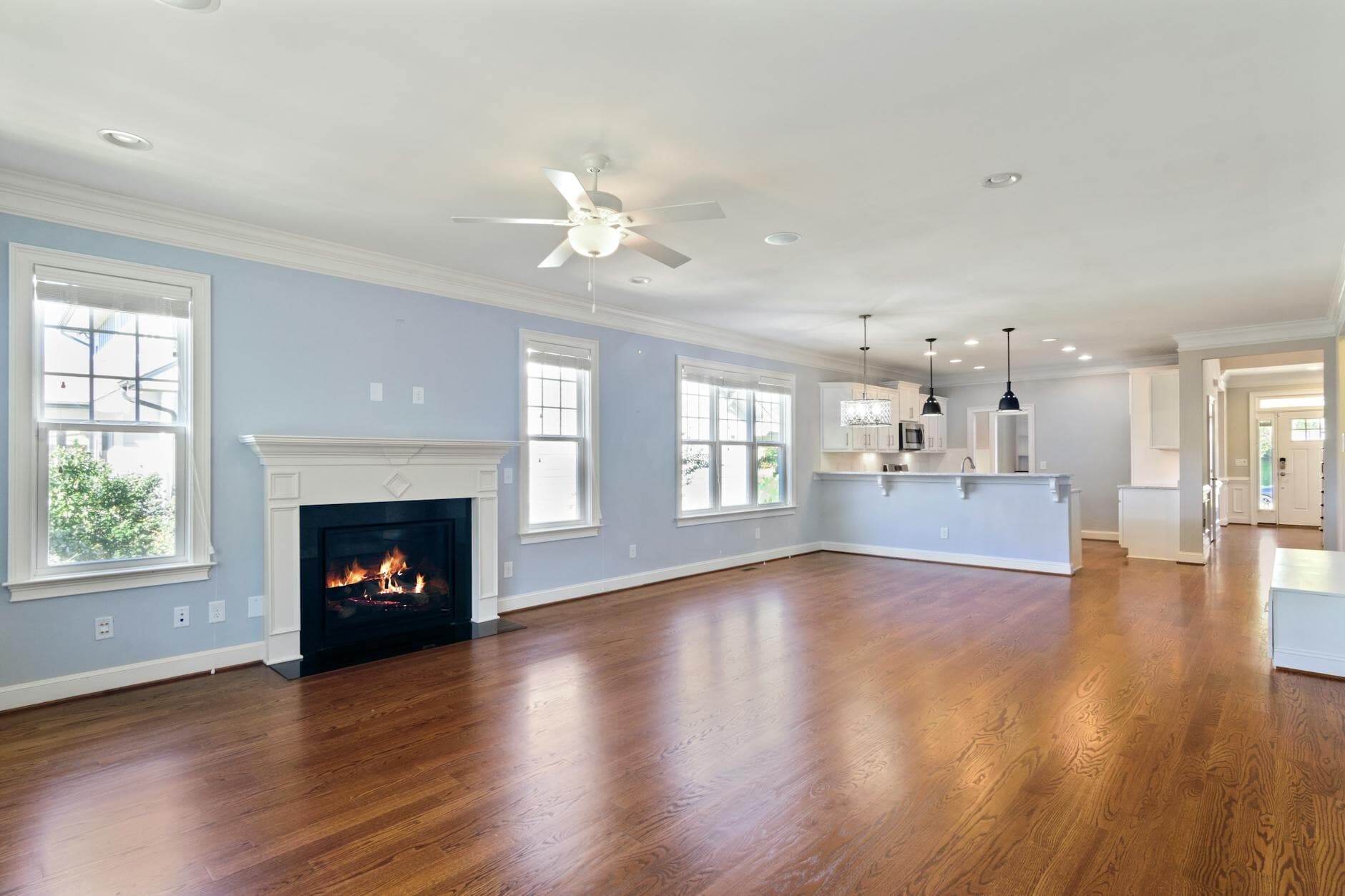
Whole-Home Interior Remodel in Pinellas County: How to Plan, Budget, and Survive a Large-Scale Renovation in 2026
Planning a whole-home remodel in Pinellas County? This 2026 guide covers budgeting, trade sequencing, permitting, and everything you need to know before starting a large interior renovation.
A whole-home remodel in Pinellas County is one of the biggest investments you'll make in your property. Whether you're gutting a dated 1980s ranch in Clearwater or transforming a Palm Harbor home from top to bottom, a large interior remodel requires serious planning before a single wall comes down. This guide breaks down exactly how to approach it in 2026 — from budgeting to sequencing trades to keeping your sanity intact.
Why Whole-Home Remodels Are Different from Single-Room Projects
Remodeling a kitchen or bathroom is complex enough. But a whole-home renovation introduces a layer of coordination that most homeowners underestimate. Every trade — millwork, flooring, fixture installation, trim carpentry, and more — has to work in the right order.
When you're tackling multiple rooms at once, decisions in one area affect everything downstream. Getting this sequencing wrong costs time and money.
Step 1: Define Your Scope Before You Talk to Anyone
Before you contact a contractor, get clear on what you actually want to change. Walk through your home room by room and write it down. Vague ideas lead to vague estimates — and surprises later.
Ask yourself: Are you keeping the layout or moving walls? Will you need permitting for structural changes? Are you updating finishes only, or going deeper into systems like natural gas lines, irrigation, or electrical?
The more specific you are upfront, the more accurate your planning will be.
Step 2: Build a Realistic Budget for a Large Interior Remodel in Clearwater, FL
Whole-home remodels in the Pinellas County area typically range from $80,000 to $300,000+, depending on the size of the home and the level of finish. Mid-to-high-end renovations — the kind Remodel Rebel specializes in — tend to fall in the $150,000–$250,000 range for a full interior overhaul.
Here's a rough breakdown of where budget typically goes:
- Kitchen renovation: $40,000–$80,000+
- Bathroom remodels (per bath): $15,000–$35,000+
- Flooring throughout: $12,000–$30,000+
- Trim carpentry and millwork: $8,000–$20,000+
- Fixture installation and finishes: $10,000–$25,000+
- Permitting, engineering, and design services: $5,000–$15,000+
- Contingency (always include this): 10–15% of total budget
That last line matters. Errors and mistakes happen on every large project. A contingency fund isn't pessimism — it's smart planning.
Step 3: Understand the Trade Sequence
One of the biggest advantages of working with a licensed residential building contractor is proper trade sequencing. Do things out of order and you'll be tearing out finished work to fix something behind the walls.
Here's the general order for a large interior remodel:
- Demo and site protection — Protect what's staying. Remove what's going.
- Structural and engineering work — If walls are moving, this comes first.
- Rough mechanical — Plumbing, electrical, HVAC, and natural gas rough-ins happen before walls close.
- Inspections and permitting sign-offs — Required before closing walls in permitted work.
- Insulation and drywall — Walls go back together.
- Flooring — Most flooring goes in before cabinets in kitchens and baths.
- Cabinetry and millwork — Kitchens, baths, built-ins, and trim carpentry.
- Painting and misc. finishes — Walls, ceilings, and detail work.
- Fixture installation — Plumbing fixtures, lighting, hardware.
- Glass works — Shower enclosures, mirrors, and specialty glass last.
- Final cleaning and job-site cleanup — The project isn't done until it looks done.
Skipping steps or rushing this sequence is how projects go sideways. A good contractor protects you from that.
Pinellas County Permitting: Don't Skip This Step
Florida has strict building codes, and Pinellas County enforces them. Most structural changes, electrical upgrades, and plumbing modifications will require a permit. Working without one can affect your homeowner's insurance and cause serious problems when you go to sell.
At Remodel Rebel, we handle permitting as part of the project. It's not an afterthought — it's built into the process from day one.
How to Survive Living Through (or Near) a Large Renovation
Some clients stay in their home during a whole-home remodel. Others rent nearby. There's no single right answer, but here's what helps either way.
Communicate weekly with your contractor. You should always know what's happening next week and why. If you're in the dark, that's a problem.
Make all your selections early. Delayed tile selections or back-ordered fixtures are the #1 cause of project delays. Lock in your design choices — flooring, fixtures, finishes, millwork profiles — before demo starts.
Expect some dust and disruption. Site protection helps, but a large interior remodel in a lived-in home is inherently messy. Plan for it mentally and logistically.
Home Renovation Planning in 2026: What's Changed
Material lead times have stabilized compared to a few years ago, but some specialty items — custom millwork, imported tile, certain glass works — still require 6–12 weeks of lead time. Build that into your timeline.
Labor costs in the Tampa Bay area remain elevated. Skilled tradespeople in trim carpentry, refinishing, and fixture installation are in high demand. Booking a reputable contractor early in the year gives you better scheduling options.
Design services have also become a bigger part of the planning process. More homeowners are investing in professional design upfront to avoid costly changes mid-project. It's worth every dollar.
Is a Whole-Home Remodel Worth It in Pinellas County?
For the right homeowner, absolutely. Pinellas County real estate continues to hold strong value, and a well-executed renovation in a market like Clearwater, Belleair, or Palm Harbor can significantly increase both livability and resale value.
The key word is well-executed. A large interior remodel done right — with proper planning, licensed contractors, and quality finishes — pays off. One done poorly costs twice as much to fix.
Ready to Start Planning Your Whole-Home Remodel?
Remodel Rebel is a Florida state-licensed residential building contractor serving all of Pinellas County. We work with homeowners in Clearwater, St. Petersburg, Palm Harbor, Seminole, Dunedin, Safety Harbor, and beyond on large-scale interior remodels and additions.
If you're thinking about a whole-home renovation in 2026, the best time to start the conversation is now. Reach out to schedule a consultation — and let's build something worth coming home to.
More Articles
 Guides
Window Replacement in Pinellas County: Best Types, Costs & What to Expect in Summer 2026
Thinking about replacing your windows before hurricane season peaks? This guide covers the best window types for Pinellas County homes, realistic 2026 costs, and exactly what the replacement process looks like.
 Guides
Hardwood vs. Luxury Vinyl Plank Flooring: Which Is Right for Your Pinellas County Home in 2026?
Hardwood and luxury vinyl plank both have a place in Pinellas County homes — but Florida's humidity, your lifestyle, and your budget all play a role. Here's how to choose the right floor for your 2026 remodel.